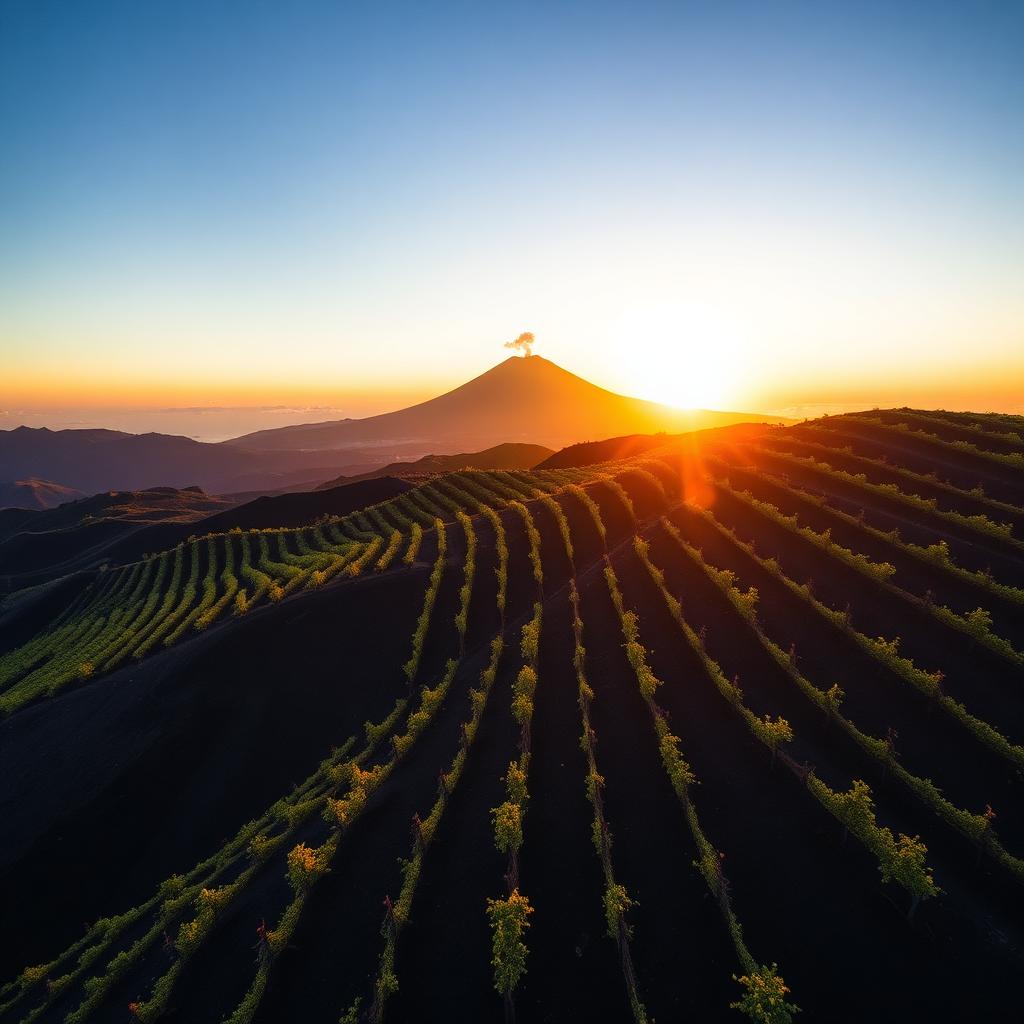
What Is Etna DOC Wine and Why Is It So Special?
A guide to Etna DOC, the volcanic terroir, native grapes and contrade that make Sicily's Mount Etna one of the world's most exciting wine regions.
When discussing Italy's greatest wine regions, one name has been gaining increasing attention among wine lovers, sommeliers, and critics worldwide: Mount Etna.
Produced on the slopes of Europe's highest active volcano, Etna wines have become some of the most exciting and sought-after wines in the world. Their unique character, remarkable elegance, and strong connection to the land have captured the attention of both casual wine enthusiasts and serious collectors.
But what exactly is Etna DOC, and what makes these wines so special?
What Is Etna DOC?
Etna DOC (Denominazione di Origine Controllata) is one of Sicily's oldest protected wine appellations, established in 1968.
The production area includes vineyards located on the slopes of Mount Etna, primarily around the towns of Castiglione di Sicilia, Randazzo, Linguaglossa, Milo, Santa Venerina, Zafferana Etnea, and other surrounding villages.
To carry the Etna DOC designation, wines must follow strict regulations regarding:
- Production area
- Authorized grape varieties
- Vineyard practices
- Maximum yields
- Quality standards
These rules help preserve the authenticity, heritage, and quality of one of Italy's most fascinating wine regions.
The Secret Behind Etna Wines: Volcanic Soil
What truly sets Etna wines apart is their extraordinary terroir.
Over thousands of years, volcanic eruptions have created soils rich in lava rock, volcanic ash, minerals, and sand. These unique conditions provide:
- Excellent drainage
- Rich mineral content
- Deep root development
- Low natural fertility
As a result, vines are forced to work harder, producing grapes with greater concentration, complexity, and balance.
Many wine lovers describe Etna wines as wines that “taste of the volcano,” offering a distinctive mineral character that reflects their dramatic origin.
A Surprisingly Cool Climate
Although Sicily is famous for its warm Mediterranean climate, Mount Etna offers a very different environment.
Many vineyards are planted at elevations of up to 800 meters (2,600 feet) above sea level, benefiting from:
- Significant day-to-night temperature swings
- Cooler growing conditions
- Constant mountain breezes
- Slow and balanced grape ripening
These factors help preserve freshness, acidity, and aromatic complexity, giving Etna wines their signature elegance and remarkable aging potential.
The Main Grape Varieties of Etna
Nerello Mascalese
Often considered the king of Etna grapes, Nerello Mascalese produces refined, elegant, and age-worthy red wines.
Wine experts frequently compare it to Pinot Noir and Nebbiolo because of its finesse, complexity, and ability to express terroir.
Typical aromas include:
- Red berries
- Wild herbs
- Floral notes
- Spices
- Volcanic minerality
Nerello Cappuccio
Usually blended with Nerello Mascalese, Nerello Cappuccio adds color, softness, and depth to Etna Rosso wines.
Carricante
Carricante is the flagship white grape of Mount Etna.
It produces fresh, mineral-driven wines with citrus notes, vibrant acidity, and impressive longevity. Many wine critics consider it one of Italy's most exciting white grape varieties.
Catarratto
Another traditional Sicilian grape, Catarratto contributes structure and balance to several Etna DOC white wines.
The Contrade: Etna's Unique Cru System
One of the most fascinating aspects of Mount Etna is its network of contrade.
A contrada is a small vineyard district with its own volcanic composition, elevation, exposure, and microclimate.
Much like the famous crus of Burgundy, each contrada can produce wines with distinct characteristics and personality.
For this reason, many top wineries proudly indicate the contrada on their labels, highlighting the wine's precise origin and sense of place.
Why Have Etna Wines Become Famous Worldwide?
Over the past two decades, Etna has emerged as one of the world's most exciting wine destinations thanks to several factors:
- Exceptional wine quality
- Unique native grape varieties
- Limited production
- Strong sense of terroir
- Growing interest in volcanic wines
Today, Etna wines can be found on the wine lists of prestigious restaurants around the globe and are increasingly sought after by collectors and enthusiasts.
Is It Worth Visiting Etna Wineries?
Absolutely.
A visit to Mount Etna is much more than a wine tasting experience. It is an opportunity to explore ancient vineyards, meet passionate winemakers, and discover a landscape unlike anywhere else in the world.
During an Etna wine tour, you can:
- Walk through high-altitude vineyards
- Learn about heroic mountain viticulture
- Meet local wine producers
- Taste Etna DOC wines where they are made
- Enjoy breathtaking views of the volcano and the Mediterranean Sea
For many visitors, it becomes one of the highlights of their trip to Sicily.
Final Thoughts
Etna DOC is far more than a wine designation. It represents a unique combination of volcanic soils, native grape varieties, centuries-old traditions, and extraordinary natural beauty.
Whether you are a wine enthusiast, a curious traveler, or simply looking for an authentic Sicilian experience, discovering the wines of Mount Etna is a journey worth taking.
And there is no better way to understand these remarkable wines than by visiting the vineyards where they are born, on the slopes of Europe's most iconic volcano.
Frequently Asked Questions
What does Etna DOC mean?
Etna DOC (Denominazione di Origine Controllata) is the protected designation of origin established in 1968 for wines produced on the slopes of Mount Etna in Sicily, with strict rules on grape varieties, yields and production area.
Which grapes are used for Etna DOC wines?
The main native grapes are Nerello Mascalese and Nerello Cappuccio for reds and rosés, and Carricante (often blended with Catarratto) for whites.
Why are Etna wines considered special?
Volcanic soils, high-altitude vineyards, a cool mountain climate and native grape varieties give Etna wines a distinctive minerality, freshness and aging potential that wine critics often compare to great Burgundy and Barolo.
Can I visit Etna wineries?
Yes. Many Etna wineries welcome visitors for guided tastings and vineyard tours. Booking a curated Etna wine experience is the best way to meet producers and taste Etna DOC wines where they are made.